
Out-of-home advertising is not struggling because it does not work.
It is struggling because it is hard to access.
Most brands understand the value of OOH. The impact is real. The memorability is real. The ability to show up in the physical world is something digital media simply cannot replicate.
Yet despite all of that, OOH is often the last channel considered or skipped entirely.
The reason is not performance. It is process.
The Buying Experience Is Still Fragmented and Complex
The OOH landscape has expanded significantly. Today it includes billboards, bars, taxis, campuses, venues, trucks, experiential placements, drone shows, and so much more. But buying across these formats still feels disconnected.
Advertisers are often required to:
Reach out to multiple vendors just to understand what inventory exists
Wait days or weeks for pricing and availability
Manage separate workflows for each format
Reconcile inconsistent specs, timelines, and reporting
Platforms are difficult to use for small to mid-market businesses
And, for the centralized, self-serve platforms existing today, they are overly complicated for small to mid-market businesses (too many maps, signs, and levers that drag out the process).
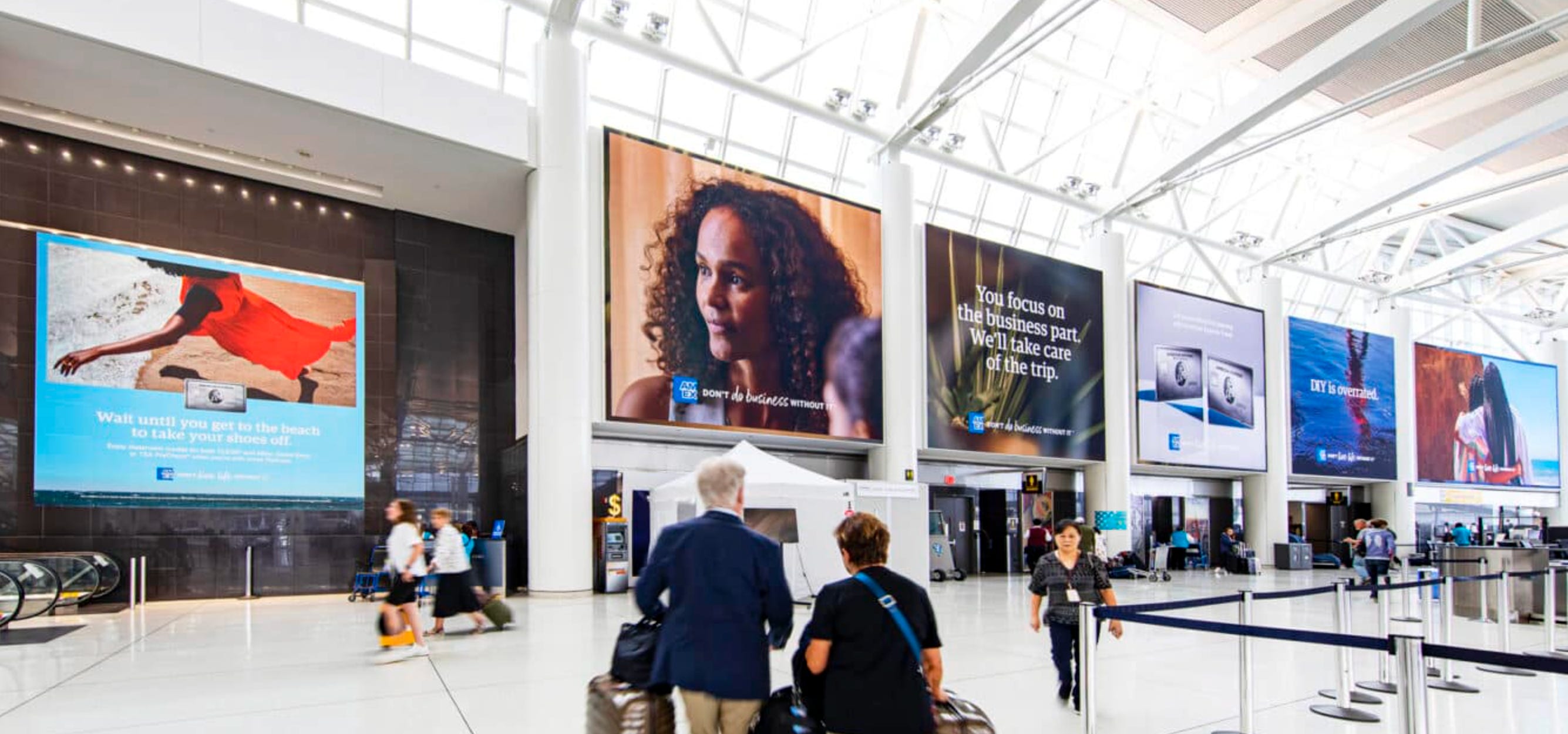
OOH becomes underutilized, not because it lacks value, but because it lacks ease-of-use, speed, and accessibility.
OOH Has Not Kept Up With How Teams Work Today
Modern marketing teams operate with speed and flexibility. Campaigns are launched quickly, tested, refined, and adjusted in real time. Media planning is centralized, data-driven, and increasingly iterative.
Most of OOH buying still relies heavily on:
Manual RFPs
Static plans
Long lead times
Limited ability to test or adjust
Confusing UI
Drawn-out, overly complex platforms
For digital-first brands, this mismatch creates friction. Especially for the SMB market. Not because OOH does not belong in the mix, but because it does not fit cleanly into existing workflows.
The Real Cost Is Missed Opportunity
The biggest issue is not inconvenience. It is what gets lost as a result.
When OOH is difficult to buy:
Brands test fewer ideas
Emerging formats struggle to scale
Smaller advertisers are effectively locked out
Media plans skew conservative
OOH becomes underutilized, not because it lacks value, but because it lacks ease-of-use, speed, and accessibility.
The Industry Does Not Need Reinvention
The inventory exists. The operators exist. The creativity exists.
What is missing is infrastructure that makes OOH easier to discover, easier to buy, and easier to understand, while preserving what makes the channel powerful.
Until that gap is addressed, OOH will continue to punch below its weight.
Preach 🙌